• Welcome
    • ODC THE BRAND
    • FASHION
    • FOOTWEAR
    • BEAUTY
    • HANDBAGS
    • JEWELRY & ACCESSORIES
    • VINTAGE
    • READY FOR FALL
    • BIPOC/ASIAN-OWNED
    • DENIM WE LOVE
    • CONSCIOUS ACTIVEWEAR
    • CLEAN BEAUTY
    • ALL POSTS
    • this or that
    • interviews with brands
    • fashion
    • environment
    • lifestyle
  • COMMUNITY
    • OUR STORY
    • MEDIA
    • DISCLOSURE
    • CONTACT
Menu

ODC

Street Address
City, State, Zip
Phone Number
A model’s guide to sustainable living

Your Custom Text Here

ODC

  • Welcome
  • SHOP
    • ODC THE BRAND
    • FASHION
    • FOOTWEAR
    • BEAUTY
    • HANDBAGS
    • JEWELRY & ACCESSORIES
    • VINTAGE
  • EDITORIAL
    • READY FOR FALL
    • BIPOC/ASIAN-OWNED
    • DENIM WE LOVE
    • CONSCIOUS ACTIVEWEAR
    • CLEAN BEAUTY
  • THOUGHTS
    • ALL POSTS
    • this or that
    • interviews with brands
    • fashion
    • environment
    • lifestyle
  • COMMUNITY
  • ABOUT
    • OUR STORY
    • MEDIA
    • DISCLOSURE
    • CONTACT

How to Avoid Buying into Trends

January 26, 2017 Britt Bergmeister

Being in the fashion industry exposes you to the newest and best clothing that naturally has the effect of making one obsessed with always being on trend. My parents, both having worked in the business industries luckily kept me in reign from my sporadic shopping sprees with constant reminders of saving my income for tax season and investing whenever I could. In the beginning of my career, especially when I had no experience of saving or paying taxes, I would spend hours on end on every site, searching for the latest and newest trends and how I could get my hands on them, sometimes at whatever cost.
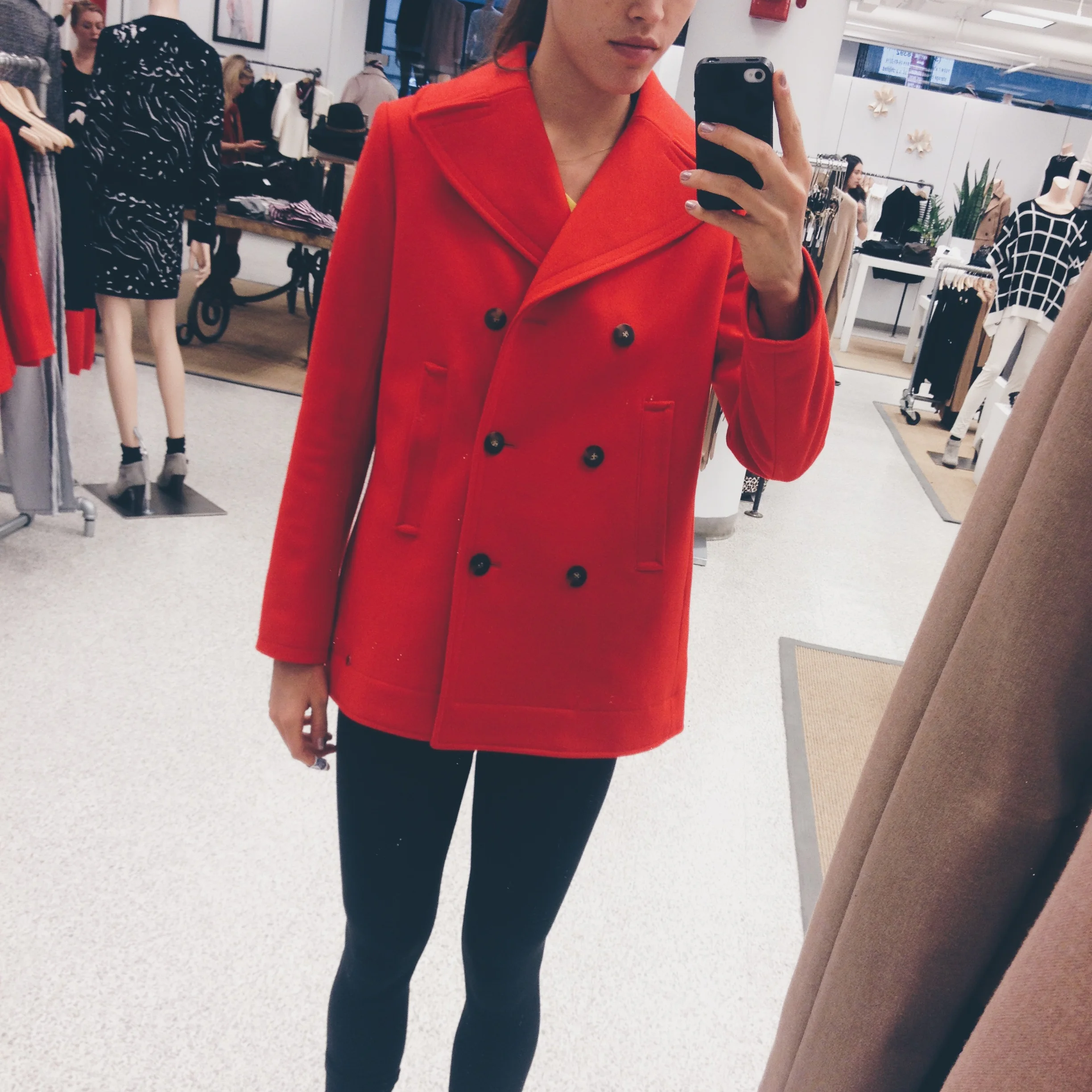
My $550 pea coat that I only wore a handful of times

My $550 pea coat that I only wore a handful of times

Prime example of said obsessions was a few years back when I was looking for another new fall coat. At that moment, colorful pea coats were the thing everyone had. It would take over my life, mindlessly saving new items in my cart, cross-examining the prices and styles on different sites, asking my boyfriend for his opinions on which overpriced coat he thought looked best... He would tell me it wouldn’t be practical to buy a colorful coat that although was nice now,  would naturally go out of style by next season, which I later learned to be true. (That red pea coat I bought on the right has only been worn a handful of times). 

While most trends start from the high-end designers after each fashion week season, the industry has taken on a new approach to selling trends with a term known as fast fashion. Fast fashion gets you cheaper versions of designer goods that are available almost simultaneously as the designers release their newest collections. The time it takes for these fast fashion behemoths, Zara, H&M, and Forever21 standing out, to copy and reproduce these pieces is incredibly fast (hence the name). It makes us able to be instantly on trend affordably. As Elizabeth Cline states in her book Overdressed: The Shockingly High Cost of Cheap Fashion, these fast fashion companies are receiving new deliveries to their stores daily, some getting up to 400 new styles per week on their websites. This makes us feel like we have to buy continuously to stay stylish and look like we fit in. 

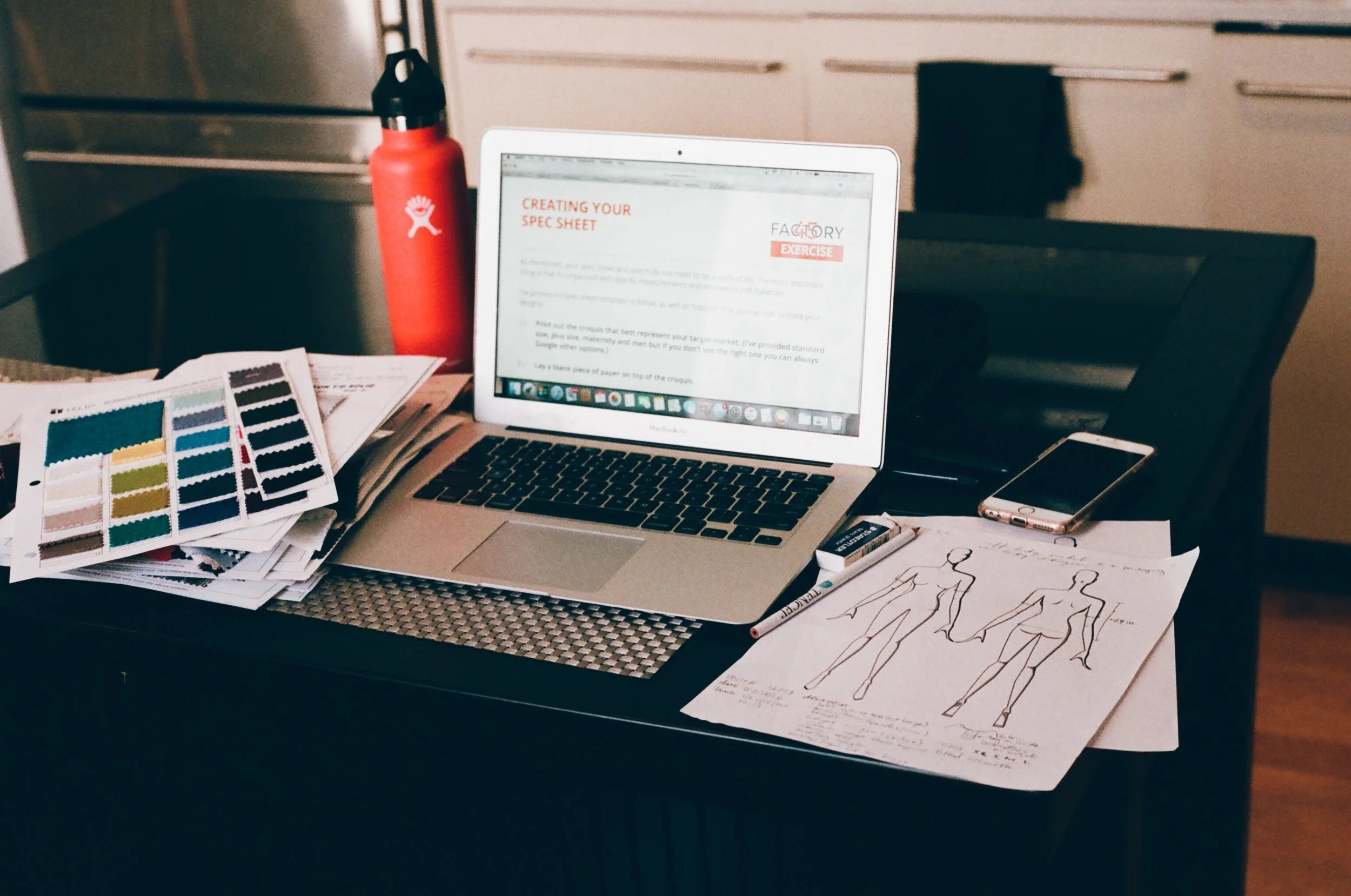
Trends however as I’m sure you know come and go. It’s in the industry’s best interest for us as consumers to buy into and become obsessed with these trends, just as I had. Naturally, consumption is a necessity for our economy. If you look at the history of fashion seasons and how we buy clothes, you’ll notice that the amount of seasons and new trends have dramatically increased. Shannon Whitehead, founder of Factory45, a sustainable start-up accelerator program notes in her Huffington Post article that there are now up to 52 “micro-seasons”! What was once a magical show, sometimes showcasing such avant-garde pieces that would be considered art more than everyday clothing has now become a driving force of consumerism available for everyone, not just the fashion folk. 

Supply and demand are on the rise and our perceptions of what clothes should cost has become extremely skewed thanks to these companies overproducing cheaply made fashion. We now expect a t shirt to cost $10 or less and are shocked if it’s any more, even if it’s made ethically and sustainably with organic fabrics. We buy more of these cheap clothes that naturally feel way more disposable to us. The problem is that there isn't enough room for all the accumulating waste and something needs to change.  The True Cost movie is an incredible documentary that helps shed light on the true cost of what goes into making your clothing and why prices have become so low. 
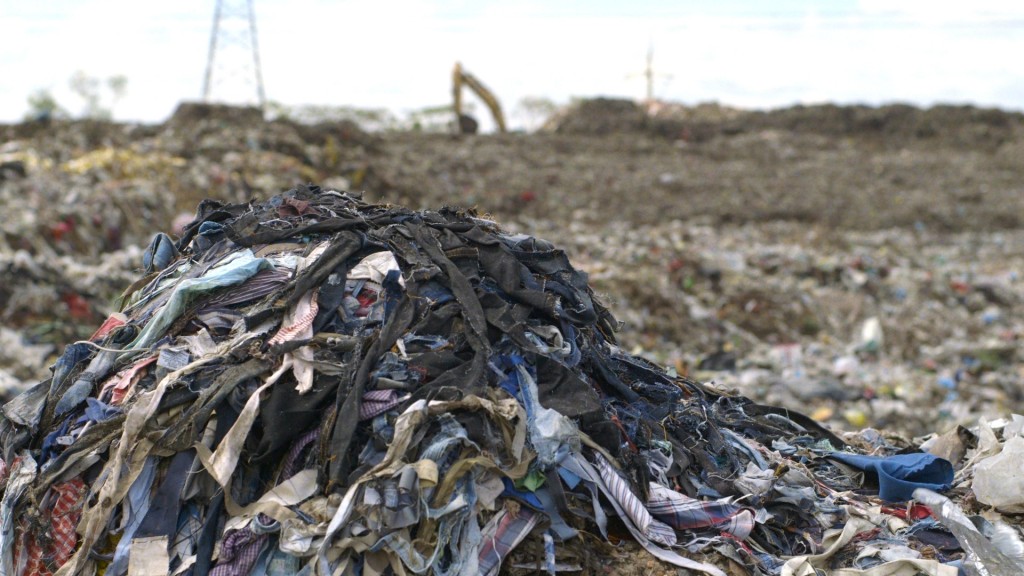
The True Cost

As consumers, we have to find the middle ground or shift the demand. The market is oversaturated with items of insufficient quality and with an overabundance of trends that last mere weeks. Whether it’s a thousand-dollar coat or an H&M replica, we need to realize the difference between what we want to buy and what we’re told we want to buy. What will last in our closets for a micro-minute and what will be there for many years. Do I think it’s worth an investment of a few hundred dollars for a good, stylish coat that is made of good quality to buy? Most definitely! Buy less and buy better! Do I think it’s worth it to buy a thousand-dollar coat with a crazy pattern that happens to be a popular trend at the moment? No, definitely not because I know I'll only end up wearing it a few times. What about buying lots of less expensive coats that are made poorly with cheap materials? I don’t want to throw out or give away any more clothes, especially knowing how harmful the fashion industry is to our environment, so no.

Think about what you’re buying, the investment you can make in the quality and how often you'll wear it. Take a deep look at your closet and look at what you wear the most and try to understand why you love it so much. It’s likely not something you bought on a whim in order to try and fit in. Rather, it’s probably expensive enough that the quality lasts but something you can wear anything. We need to buy less and we need to buy better. Instead of low quality/high volume, think about high quality and low volume when you next decide to go shopping. It may take years, if we're lucky enough for it to come to this but if the demand is shifted from cheaply made clothes to higher quality sustainably made items, perhaps we as consumers can shift the market and make ethical, organic clothing an option for everyone to buy. 
 

Here I am gathering some clothes I had bought within that past year that I no longer wore. Although it'll be much more useful if it reaches someone in need, I could have definitely saved money and know that that much more clothing wouldn't possibly end up in a landfill.

Credit: HuffingtonPost.com
Credit: Truecostmovie.com
Image credit: Truecostmovie.com
In Fashion, Lifestyle Tags trends, consumerism, fashion industry, cheap fashion, fast fashion, organic clothing, organic fashion, buy less buy better, shopping, waste, landfill, textile waste, sustainable fashion, fast fashion trends, consumerism and our environment, fashion week trends
Comment

Why We Chose to be a Sustainable Company

October 10, 2016 Britt Bergmeister

The idea started off as "Off Duty Model" and would be a website for all women, not just models, to go and purchase looks in order to attain the effortless style that models wear when they’re on the go. Think simple, stylish staples put together with minimal effort.  

While my mom and I began to brainstorm the best way to start this company, we talked about how cool it would be to not only feature brands we love that have that "model off duty" look but to also make our own clothing line sometime in the future. Obviously, when considering costs, the benefit of outsourcing and producing in Asia would be ideal. We even had a connection through a friend who was willing to manufacture some of our designs in his factory in China.

Something however didn't feel right. Having been in the fashion industry for over four years now, I have realized how much gets outsourced to cut costs. It felt wrong to produce somewhere simply because it would be the cheapest option. Would the factory have adequate safety measures? Would they pay and treat their workers well? Would I be able to visit China multiple times a year to gage the quality control of our new products? These are things that would be harder to oversee since both my mom and I are based in the States.

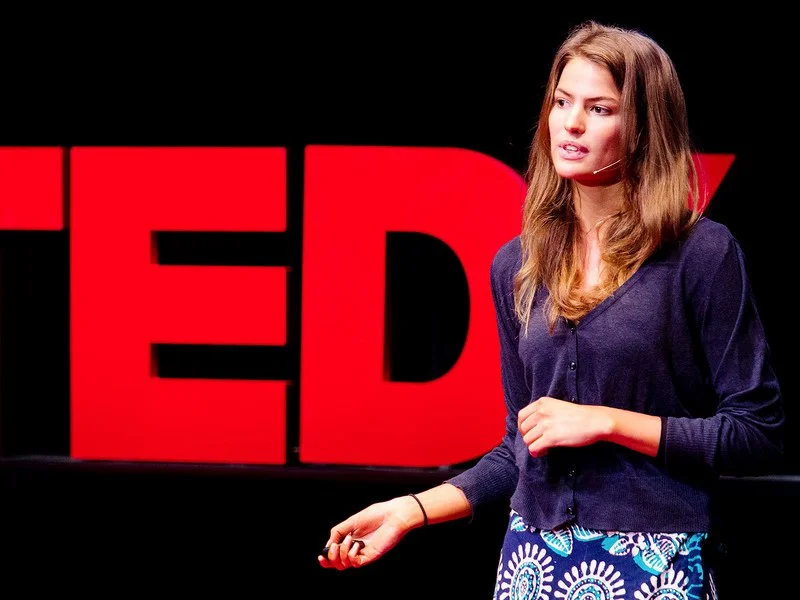
Source: Ted Talk

Source: Ted Talk

Right around this time, I happened to meet an incredibly inspiring supermodel activist, Cameron Russell. You may recognize her from Victoria's Secret and her numerous Vogue covers, or have had the pleasure of watching her incredible Ted Talk where she discusses society's obsession with beautiful models and celebrities. (You can watch it HERE).

The night I met Cameron, she was holding an intimate talk for models in NYC where we could discuss anything and everything in a safe environment relating to our roles as models, the direction of our careers and what we could do with the following we've gained from modeling. She talked about how she won the “genetic lottery” and how her success enabled her to be heard by many through the thousands of social media followers she developed. She stresses the importance of vocalizing what matters to her as an arts-based social activist and motivated us to similarly spread powerful messages that mean something to us. 

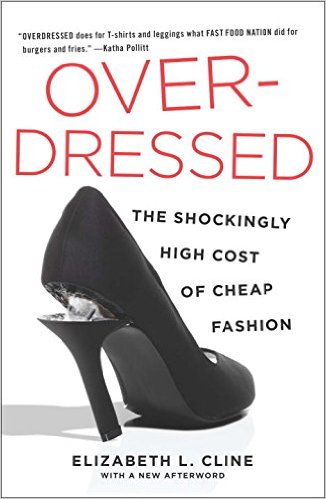
As an activist, she had a lot to say about the fashion industry, an industry that many of us have come to realize is extremely disposable. Nobody thinks about the amount of waste that accumulates through all the unused fabric that gets tossed into our landfills. While I knew fashion wasn’t the best for our environment, I didn’t realize as Cameron informed us that it was one of the dirtiest industries. Elizabeth Cline, journalist and author of Overdressed: The Shockingly High Price of Cheap Fashion, states Americans only end up recycling 15% of their clothing, as sourced from her article “Where Does Discarded Clothing Go?” There is a need to be more cognizant of the environment and for people like myself and Cameron,  to try to influence and have an impact.

Overdressed: The Shockingly High Cost of Cheap Fashion

It was that night after Cameron’s talk that I made the decision that we would make our company sustainable. We would use all of our industry connections to make a brand that not only allowed women to achieve a model’s off duty style with ease but our target market now included stylish women who want to look good without compromising their environment. Off Duty Models were also On Duty Citizens, hence our new name, simply, ODC.

There is a need to slow down production and cut back on our consumption. We’re getting back to our basics, we’re reducing the consumerism pressure from media  and we will try our absolute hardest to influence a backwards industry.  The brands we feature on our site are all made sustainably with the environment and those who make the clothing in mind. The clothes we plan to produce (stay tuned!) will be made with our strict guidelines as well. It will be a journey of constant education and evolution but we're ready for the challenge. 

Credit: BusinessInsider.com
Credit: TheAtlantic.com
Image Credit: Ted.com
Image Credit: Amazon.com

In Fashion, Environment, Lifestyle Tags sustainability, sustainable fashion, recycling, consumption, consumerism, fashion, organic fashion, cheap fashion, fast fashion, off duty model, model off duty
Comment
 

MEET THE FOUNDERS

Britt B.
 

IN THE NEWS

Post_2-1.jpg
 

INSTAGRAM

Manifesting clean oceans, accountability, less hate, and happiness that evolves beyond monetary confinement’s 🤞🏽🕊🌎
best day with the best homies
photo: @liamcushing
makeup:  @beautymmmark 
hair: @its.a.tee.thing 
creative approval ;) : @elise_erissu
who is she???👩🏼;) 
photo: @carlosalyse 
hair: @kirstenklontz 
makeup: @nickolwalkemeyer 
styling: @karachomistek 
styling assistant: @tgxrmy 
Thank you to this wonderful Canadian team~~
Celebrating the new normal with @lxrco . A normal where sustainable, modern vintage handbags and accessories are the go-to. Where secondhand items are given love time and time again. A normal where the circular economy is celebrated and we make use f
blonde n bad;))
.
.
thank you to this incredible team... I loved creating with you all 💙💙
photo: @carlosalyse 
styling: @karachomistek 
styling assistant: @tgxrmy 
hair: @kirstenklontz 
makeup: @nickolwalkemeyer
Happy birthday to my mum, my rock, my everything. The strongest, most caring, empathetic, smartest human I know. You’re also kinda a lot of fun. The world needs more Marias🍾
coming soon x👽
honestly #2 is a big vibe 🕺🏽
happy international women’s day to all my brave, resilient, intelligent, extraordinary women! Working mamas, best friends, life friends, sisters, grandmothers, role models-everyone who gives you strength to let you soar high above ☁️✨✊🏽
I was the kind of person who would tell people they would probably benefit from seeing a therapist even though I knew deep down I would never want to see one myself. I don’t know if this is stating the obvious but seeing a therapist felt like I

shop mindfully
ODMODC
 
 
shopthelook.jpg
inthenews.jpg
citizenswelove.jpg
ourstory.jpg
 
 
ODC_Leaf.png
 

SUBSCRIBE

FOLLOW OUR STORY FOR BEHIND THE SCENES ACCESS ON ALL THINGS ODC.

We only send e-mails once in a while when we feel incredibly inspired and feel like sharing the love<3
We respect your privacy.

Thank you!

© 2021 ON DUTY CITIZEN  |  ALL RIGHTS RESERVED   |   BRAND & SITE DESIGNED BY CREATIVE ALLURE DESIGN